
The ceremony gets all the attention. The reception is where most of the day actually happens – the meal, the speeches, the first dance, and the part that runs until midnight and that guests are still talking about two years later. It’s also where most of the planning decisions sit and where most of the things that go wrong tend to go wrong.
This wedding reception planning guide is about the order in which things should happen, not just a list of things to think about. Sequence matters. Booking a caterer before you’ve confirmed the kitchen access at your venue, or choosing a band before you know the room’s noise restrictions, creates problems that are entirely avoidable.
Start With the Reception Venue – Everything Else Follows From It
The venue sets the parameters for almost every other decision. Guest numbers, catering style, entertainment, décor, timings – all of it is shaped by the room you’re in. Which means booking the reception venue first, before anything else is confirmed, is the correct order. Not because it’s the most exciting decision, but because it’s the one that unlocks all the others.
When you’re comparing reception venues, the questions that matter most aren’t about aesthetics. They’re about what the space actually allows. What’s the working capacity with a dance floor and top table in place? What time does the venue require the event to finish? Is catering in-house, or can you bring in an external team? Is there a minimum catering spend? What does AV cost, and is it included? These are the questions that determine whether a venue works for your wedding, not whether the ceiling looks good in photographs.
Wedding Venues in Wembley: A Practical Case for Looking Beyond Zone 1
Central London is where a lot of couples start looking, and it’s where a lot of couples end up paying considerably more than they planned. The hire fee reflects the postcode. The catering minimum reflects the postcode. Even the staffing costs have a Zone 1 premium built in.
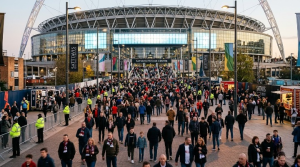
Wedding venues in Wembley offer a genuine alternative – not as a compromise, but as a practical choice that often gives you more room for the same money. Wembley Park station is three minutes on foot from the Sattavis Patidar Centre, which means guests from across London have a straightforward journey without anyone navigating a night bus home from somewhere difficult. The venue itself was purpose-built for large events, which matters more than it sounds. A room designed around events from the ground up handles 400 guests differently from a converted hotel ballroom where the service corridors weren’t built with a wedding in mind.
For couples who want a wedding reception venue that can handle a large guest list without the central London price structure, Wembley is worth putting at the top of the shortlist rather than the bottom.
Large Banquet Halls for Weddings: Capacity Is Not a Simple Number
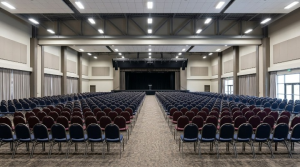
When a venue tells you a room holds 500 guests, ask what that means. Empty room? Theatre style? Seated dinner with a dance floor? The answer changes the number significantly. Large banquet halls for weddings that have been built specifically for that purpose – rather than repurposed from something else – tend to give you more accurate working figures because the layout has been designed around how events actually run.
Sattavis Patidar Centre’s Mostyn Suite seats 500 for a sit-down dinner with a dance floor. That’s the working figure, not the theoretical maximum with chairs packed to the walls. The Aristel Suite and IK Suite handle smaller celebrations within the same building, so if your guest list sits at 150 rather than 400, there’s a room that fits rather than one that swallows the party.
The Reception Timeline: What Order Things Actually Happen In
Guests arrive over a window, not at a single moment. Build that into the plan – a drinks reception of 45 minutes to an hour gives enough time for everyone to arrive, find people they know, and settle before being asked to sit down for a meal. Rushing straight from the ceremony to the seated dinner sounds efficient and feels uncomfortable in practice.
Speeches work better earlier than most couples expect. The instinct is to put them after the meal, when everyone is relaxed. The reality is that after a long meal, guests are tired, the room is warm, and attention is harder to hold. Speeches before or during the meal, when energy is higher, tend to land better – and they free up the second half of the evening for dancing without anyone feeling like there’s still something to sit through.
The UK Government’s guidance on civil ceremonies is worth checking early if you’re planning a legal ceremony at the same venue as the reception, as licensed premises requirements affect what’s possible and when.
Food service timings are worth discussing directly with your catering team rather than working backwards from a general plan. A kitchen serving 300 guests a three-course meal moves at a different pace than one serving 80. Ask your venue or caterer for a realistic service timeline based on your specific numbers, and build the rest of the evening around that rather than hoping it fits.